
All about Blackpool
Blackpool: The Vegas of the North
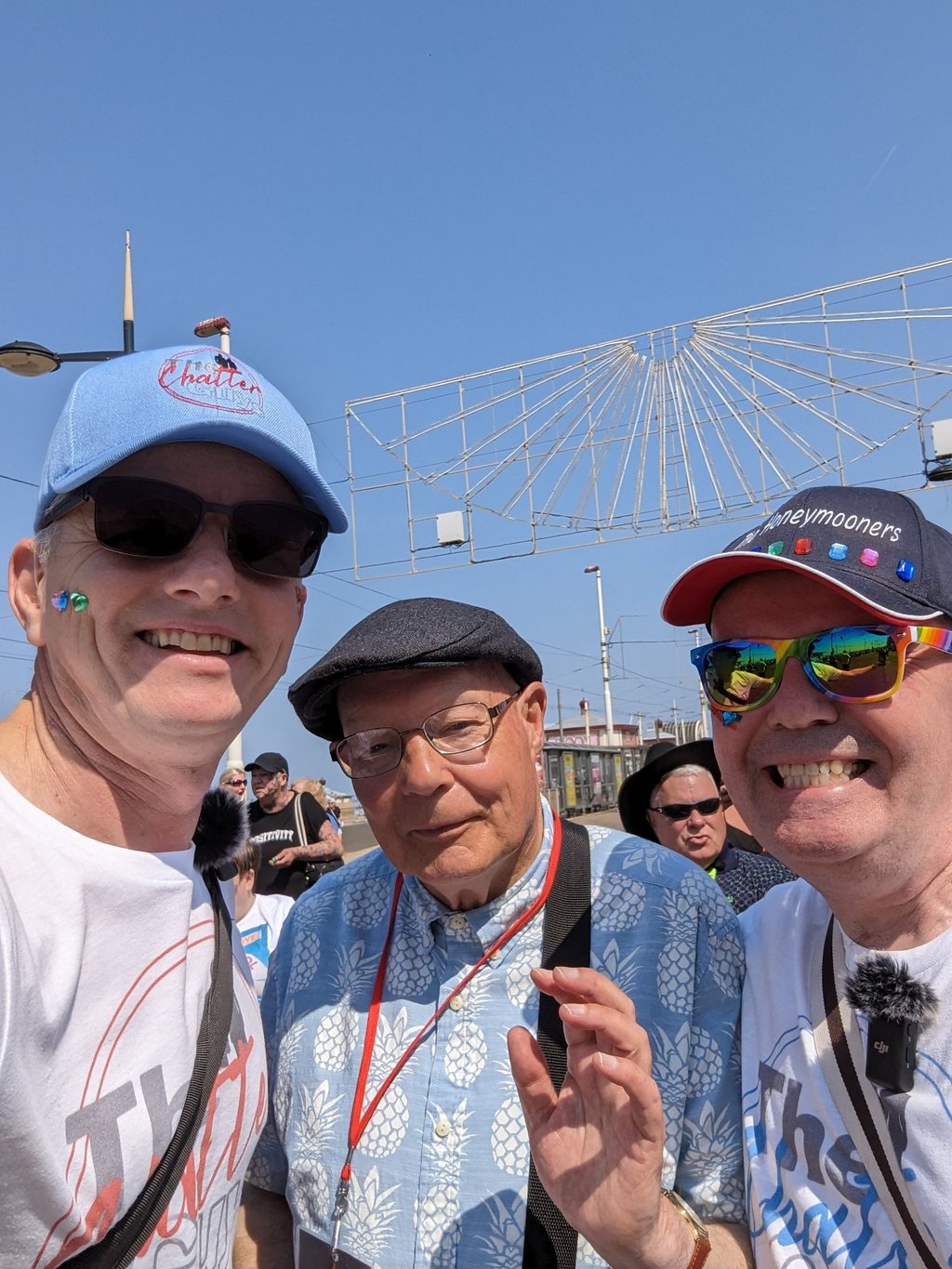
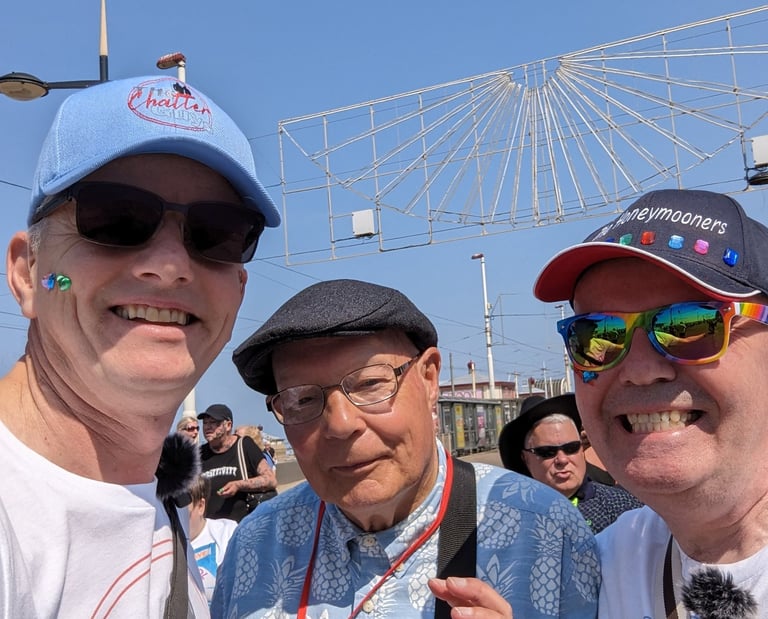
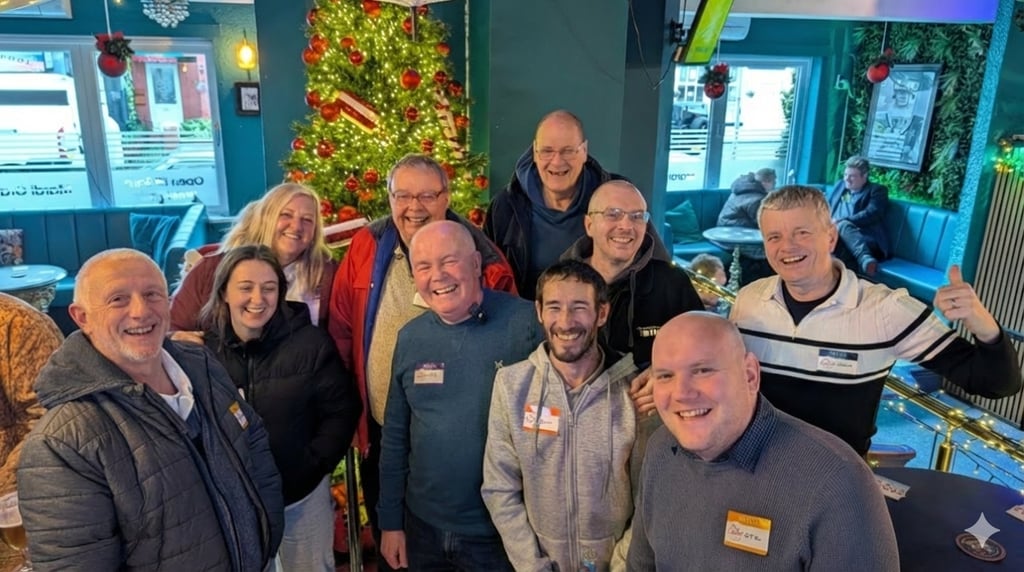
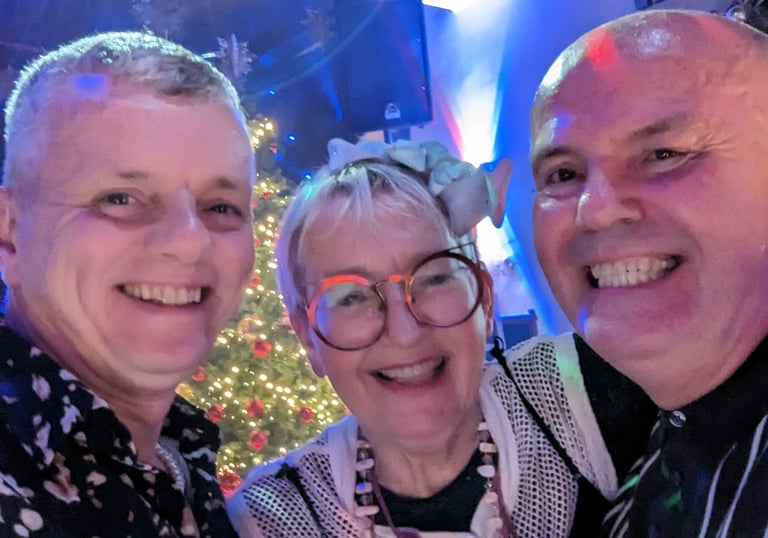
There is nowhere quite like Blackpool. It's a place that is now in our hearts. If we have a free wekend, we love nothing more than heading across the M62, and going wild on the Lancashire Coast. We love its working class roots and the traditions of its magical seaside promendade.
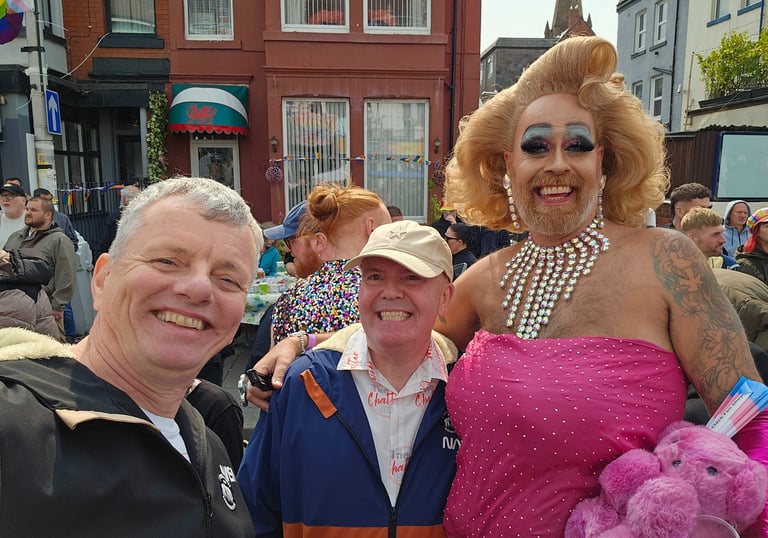
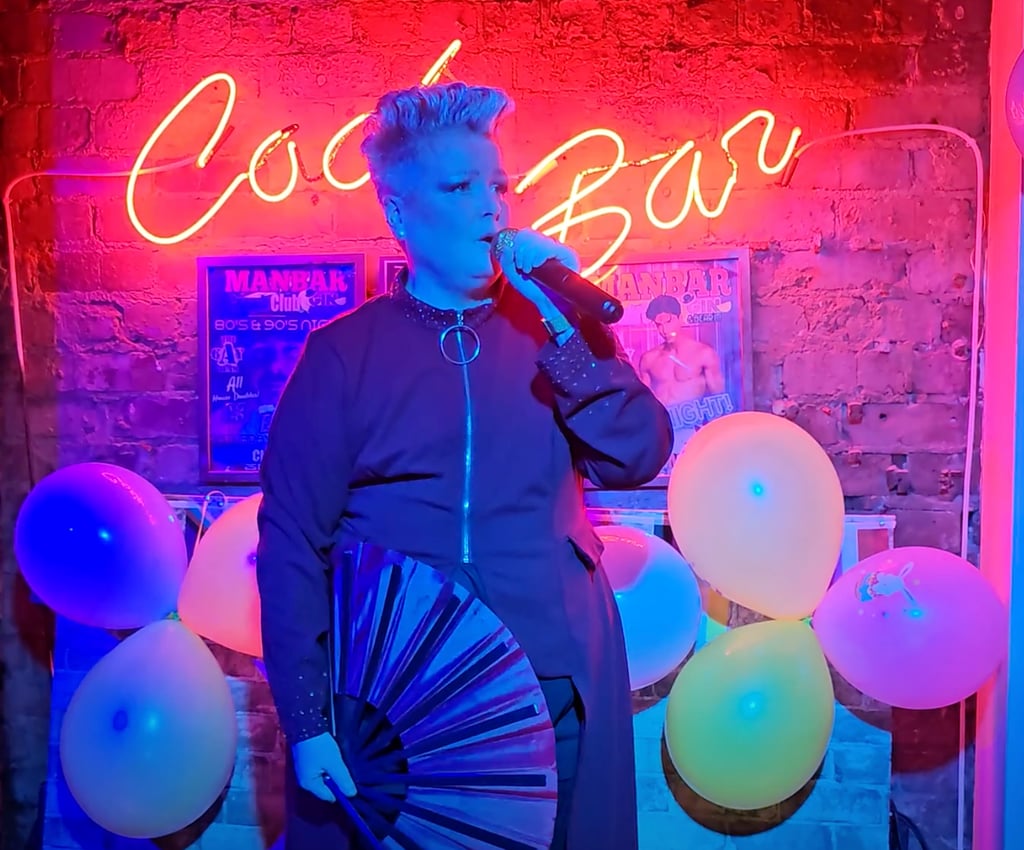
Whilst today its a hub for neon lights and Stag and Hen parties, it also has a very large LGBT commuinity that we love to embrace and support.
For over a century, this seaside town on the Lancashire coast has been the playground of the British working class—a place of escapism, excess, and electric atmosphere. But beyond the lights and the rollercoasters lies a fascinating history of industrial tradition and a surprisingly rich LGBTQ+ heritage that helped shape the town into the inclusive resort it is today.
The Boom: Railways and Wakes Weeks
Blackpool wasn’t always the bustling resort we know. In the early 19th century, it was a quiet watering hole for the wealthy. The game-changer arrived in the 1840s with the railways. Suddenly, the coast was accessible to the mill workers of Lancashire and Yorkshire, changing the town's destiny forever.
The true engine of Blackpool's growth, however, was the Wakes Weeks. During the industrial era, entire mill towns would shut down for a week of maintenance, and the workers—pockets full of saving club money—would migrate en masse to the seaside. One week the town would be full of accents from Bolton, the next from Oldham.
To cater to this annual exodus, Blackpool built aggressively. It constructed three piers, the Winter Gardens, and, in 1894, the iconic Blackpool Tower. It became the release valve for the industrial North, a place where the strict rules of Victorian life could be briefly suspended in favor of donkey rides, oyster bars, and music halls.
The Gay Capital of the North
While Brighton often holds the crown for the UK’s gay capital, Blackpool has a gritty, glamorous, and vital LGBTQ+ history of its own. For decades, it has been a sanctuary for those who didn’t fit in back home.
Much of this history is tied to the legendary entrepreneur Basil Newby. In 1979, Newby took over a derelict venue and transformed it into The Flamingo, Blackpool’s first major gay nightclub. At a time when being gay was still heavily stigmatized, "The Flamingo" became a beacon of safety and hedonism, eventually growing into a massive complex that attracted clubbers from across the country. Acts that played at Flamingos include Bananarama, Lily Savage, Hazel Dean, Divine, Dannii Minogue, Weather Girls, Mr GAY UK, Sonia, Baccara and the Drifters.
In 1994, Newby revolutionized the scene again by opening Funny Girls. Transforming an old cinema into a burlesque cabaret bar, he put drag queens front and center—not as a niche act, but as mainstream entertainment. It was a massive gamble that paid off, bridging the gap between the gay scene and the traditional "coach trip" tourists. Today, Blackpool remains a stronghold of drag and queer culture, recently launching the "Be Who You Want To Be" initiative to cement its status as an inclusive safe haven.
The Gay Village
The Gay Village has now extended beyond the traditional bars and now stretchers onto Lord Street, with many Hotels have opened their bars to the public. One our favourites is Mardi Gras that has nightly entertainment, some of the best valued drinks in Blackpool and organisers a yearly Street Party for the local community and visitors to the town.
Present Facts: Regeneration and Resilience
Today, Blackpool is a town in transition. It remains the UK’s most popular seaside resort, attracting roughly 18 million visitors annually. However, it also faces significant challenges. The decline of cheap foreign package holidays has seen a "staycation" resurgence, but the town is fighting hard to modernize its image beyond stag dos and stick-of-rock nostalgia.
Huge regeneration projects are underway. The Blackpool Central development is a £300m leisure project set to bring world-class attractions to the Golden Mile. The town has also seen an upgrade in accommodation, moving away from small B&Bs toward larger, modern hotels like the new Holiday Inn and an extended tramway system that connects the coast more efficiently than ever.
Tourist Attractions: The Classics
If you are visiting now, the classics are still the heartbeat of the town:
The Blackpool Tower: You can still take the lift to the top of the 518ft masterpiece or dance to the Wurlitzer in the stunning Tower Ballroom.
Blackpool Pleasure Beach: Home to "The Big One" and the classic "Grand National," it remains one of the world’s most intense amusement parks.
The Illuminations: From September to January, the six-mile stretch of lights extends the tourist season well into winter, a tradition that started in 1879.
The Winter Gardens: A sprawling complex of theatres and ballrooms that hosts everything from political conferences to the Darts World Matchplay.
Funny Girls: Still running strong on Dickson Road, offering a glitzy night out that pays homage to the town's cabaret roots.
Blackpool is gritty, loud, and unapologetic. It wears its history on its sleeve, from the Victorian ironwork of the North Pier to the rainbow flags flying over Queen Street. It is a town that has survived wars, recessions, and changing tastes, proving that there is always a place for a little bit of seaside magic!
Contact
Reach out anytime, we love hearing from you
© 2025. All rights reserved.